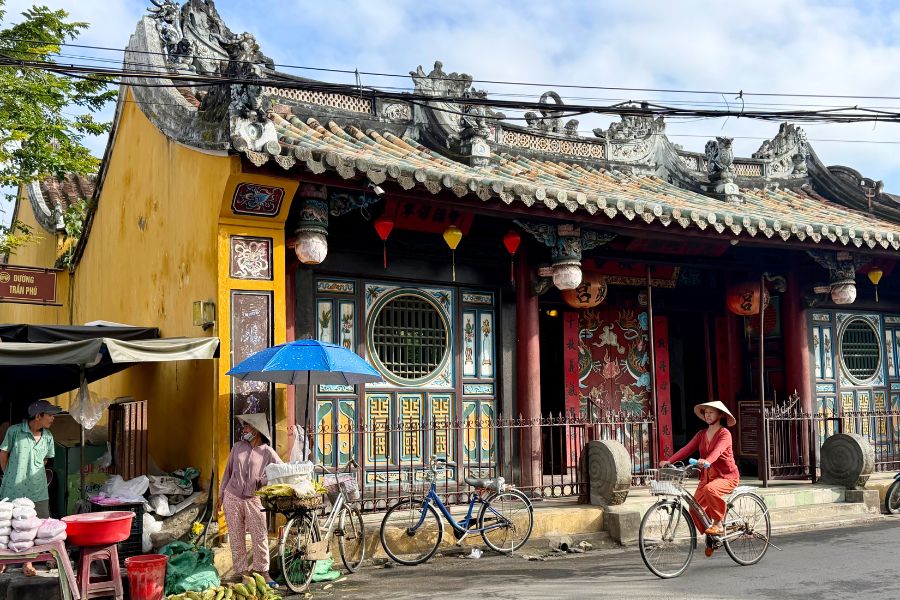
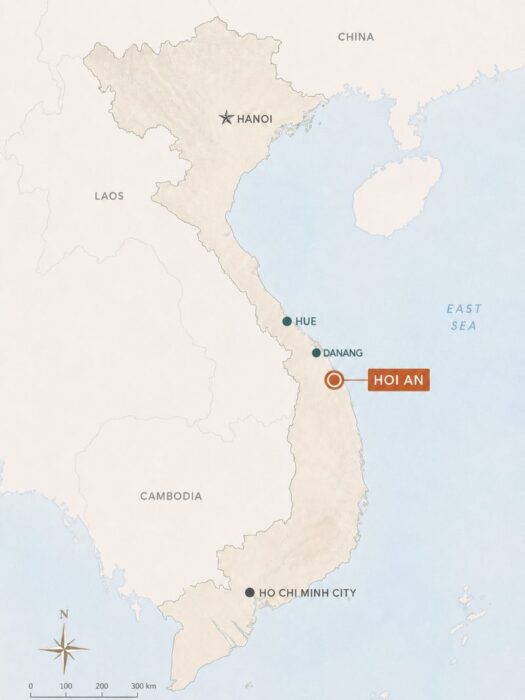
Hoi An is a beautifully preserved UNESCO World Heritage town on Vietnam’s central coast, known for its yellow-walled buildings, lantern-lit streets and distinctive blend of Vietnamese, Chinese, Japanese and European influences.
Beyond the Ancient Town, the landscape opens into rice fields, farming villages, waterways and beaches, giving Hoi An a relaxed rhythm that extends well beyond its historic center. These qualities make it particularly suited to a slower, more holistic approach to wellness travel, with access to nature, fresh seasonal food, and local creative arts.
Wellness Features
Slow Living
Hoi An has an easygoing rhythm shaped by its compact scale, laid-back atmosphere and unhurried approach to everyday life. Walking, cycling, local markets, neighbourhood cafés and simple daily routines remain part of the town’s character. Life tends to move at a gentler pace here, giving Hoi An a sense of ease that feels increasingly rare in busier urban destinations.
Garden to Plate
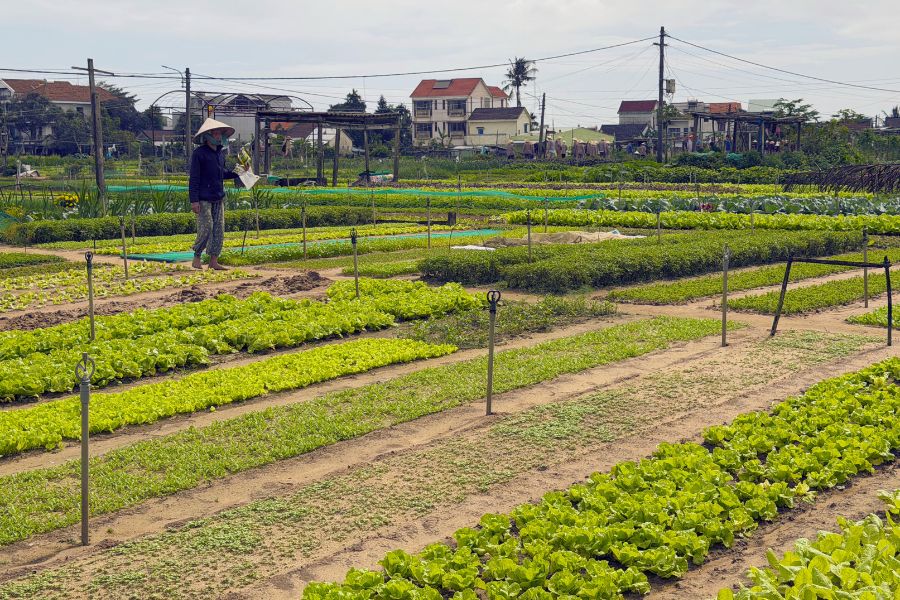
Hoi An’s food culture is closely connected to the countryside surrounding it. At Trà Quế vegetable village, herbs and vegetables are still cultivated using long-established farming methods and supply local homes, markets and restaurants. Market visits, farming experiences and cooking classes trace the journey from garden to plate, connecting Hoi An’s food culture with seasonality, place and the people who grow its ingredients.
Creative Arts
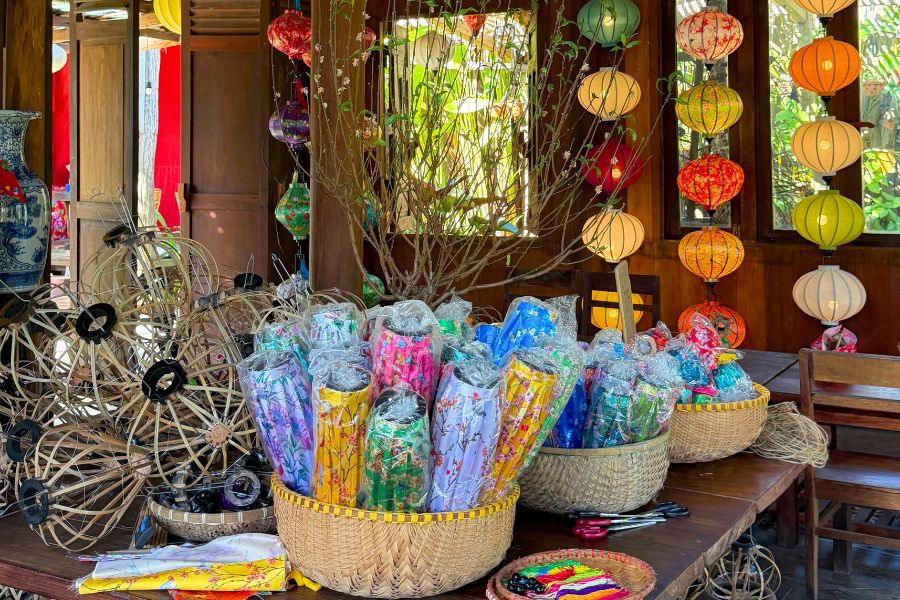
Traditional crafts such as woodwork, textiles and weaving remain part of Hoi An’s cultural fabric, reflecting skills shaped by everyday life and local livelihoods. Alongside this heritage, the town has attracted artists and makers, creating a lively contemporary scene of studios, galleries, workshops and classes. Hoi An’s creative environment encourages artistic expression while offering a meaningful connection to local culture.
Nature Connection
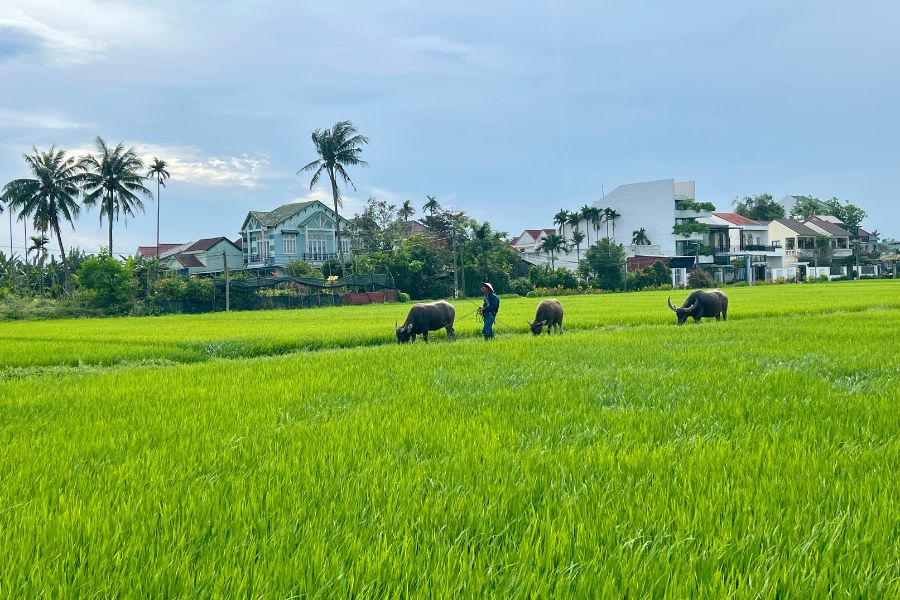
Hoi An’s surrounding countryside and nearby coast offer easy access to quieter natural settings. Quaint villages, rice paddies, waterways and the sea keep nature closely woven into the character of the destination. These open, peaceful surroundings create space for contemplation, reflection and a deeper connection with the natural environment.
Practical Travel Tips
Getting there: The nearest airport is Danang International Airport (DAD), about 30 km (45 minutes by car) from Hoi An. The airport offers frequent domestic flights from Hanoi and Ho Chi Minh City, as well as international connections from Bangkok, Singapore, and Kuala Lumpur. Private transfers, shuttle buses, and taxis are readily available.
Best time to visit: Hoi An has a tropical climate with a dry season (February to August) and a rainy season (September to January). The most pleasant months are February to April and early September, when temperatures are warm but comfortable, skies are often clear, and humidity is manageable. October to December see the heaviest rainfall, sometimes causing flooding in the Old Town.
Getting around: The Ancient Town is pedestrian-friendly, with walking and cycling being the best ways to explore. Motorbike taxis and private cars are available for countryside and beach trips.