Hue

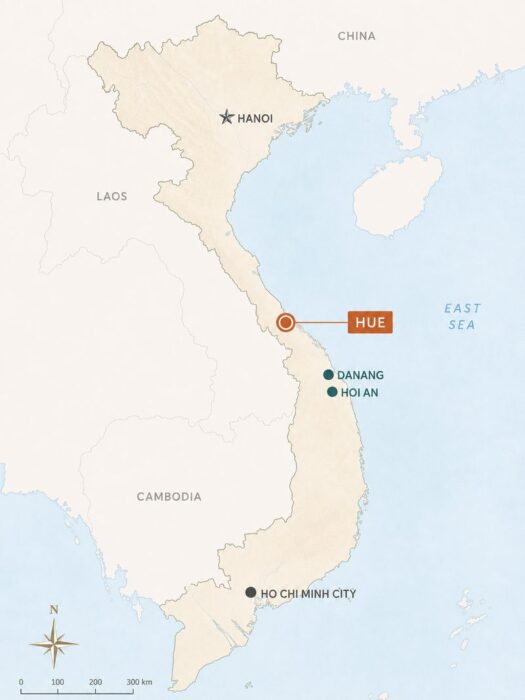
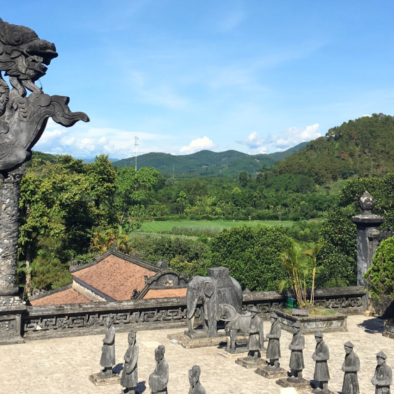
Vietnam’s former imperial capital under the Nguyen Dynasty from 1802–1945, Hue is home to the UNESCO World Heritage-listed Complex of Hue Monuments. Set along the Perfume River, the city is known for its imperial architecture, royal tombs, temples and strong traditional culture. Compared with Vietnam’s larger tourist destinations, Hue has a quieter pace, and its surrounding countryside is never far from the city.

wellness vietnam sandstone motif

Wellness Features

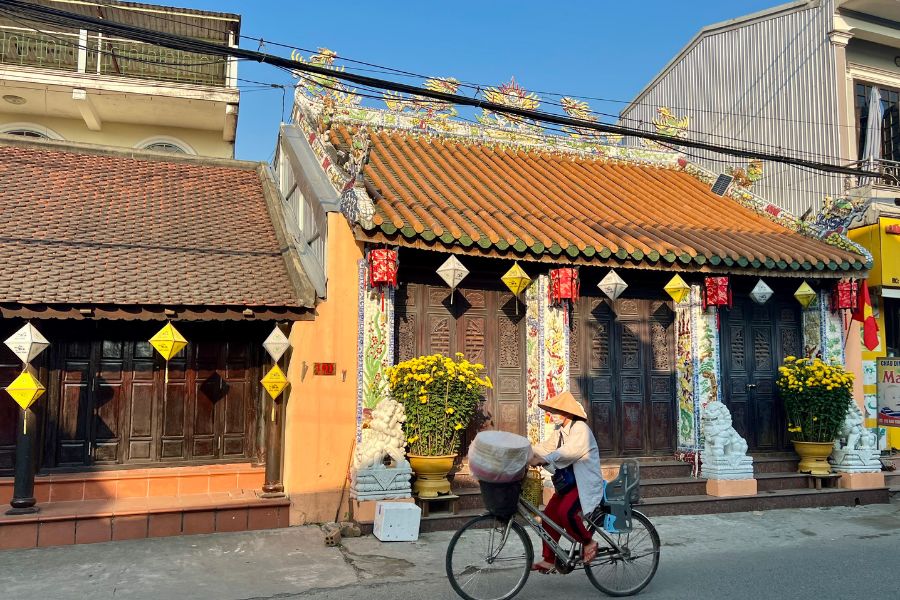
Local cycling in Bao Vinh town in Hue

Slow Living

Hue’s smaller scale and slower rhythm make it a natural place to explore at an unhurried pace. The Perfume River, nearby countryside and easy access to historic sites encourage a gentler way of experiencing the city, whether cycling through villages, walking along the river or taking time to explore the imperial tombs.

Mindfulness

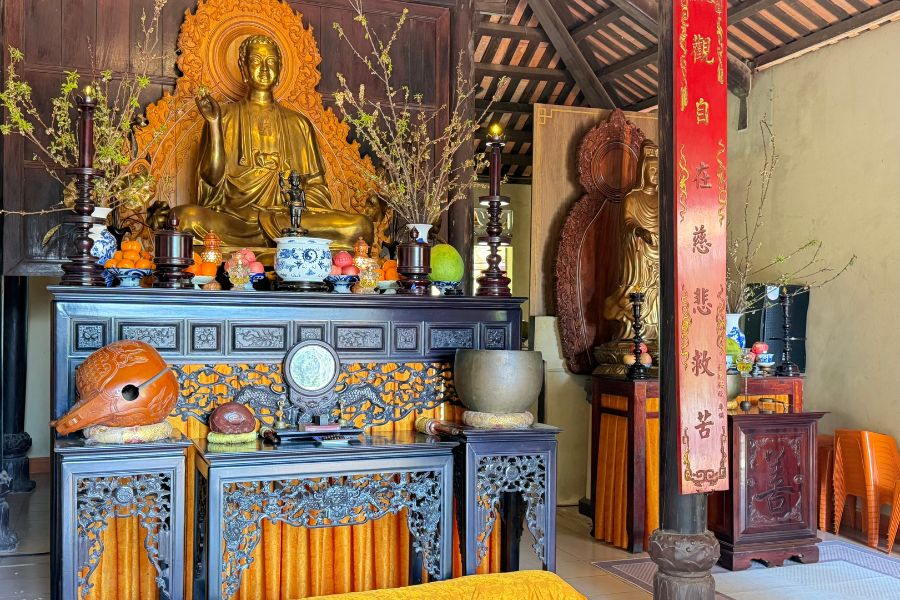
Hue is often regarded as the spiritual heart of Vietnam, where Buddhism remains an active part of daily and monastic life. Its many pagodas and monasteries, along with the legacy of Zen master Thich Nhat Hanh, give the city a naturally contemplative quality and offer opportunities to slow down and reconnect with the present moment.

Altar inside Buddhist temple in Hue
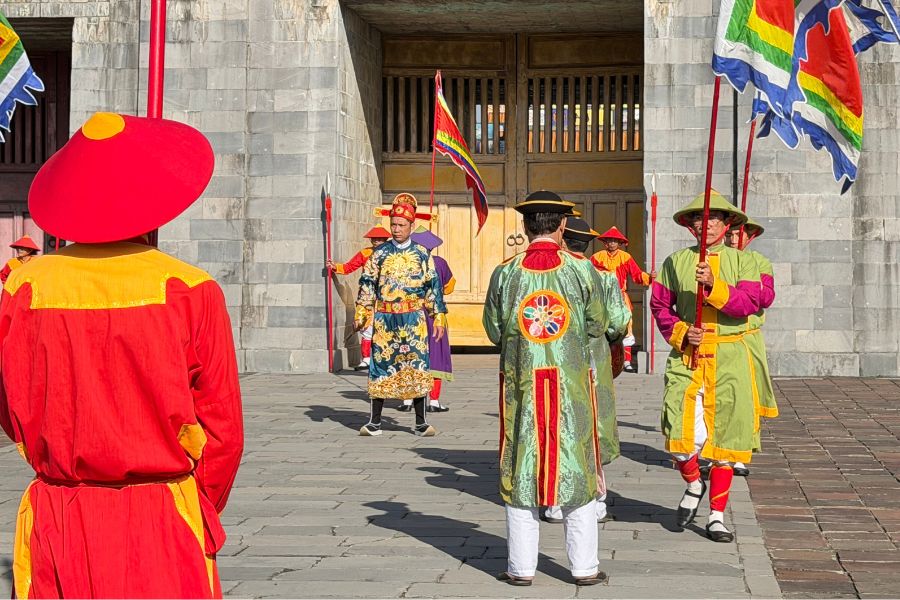
Changing of the guards at Imperial City in Hue, Vietnam

Living Traditions

Hue’s cultural traditions remain closely woven into everyday life, from Buddhist practices and ancestor worship to feng shui and ceremonial customs. These influences can be seen in temples, garden homes and royal sites, alongside centuries-old crafts such as Thanh Tien paper flower making that continue to be preserved and passed down through generations.

Food & Wellbeing

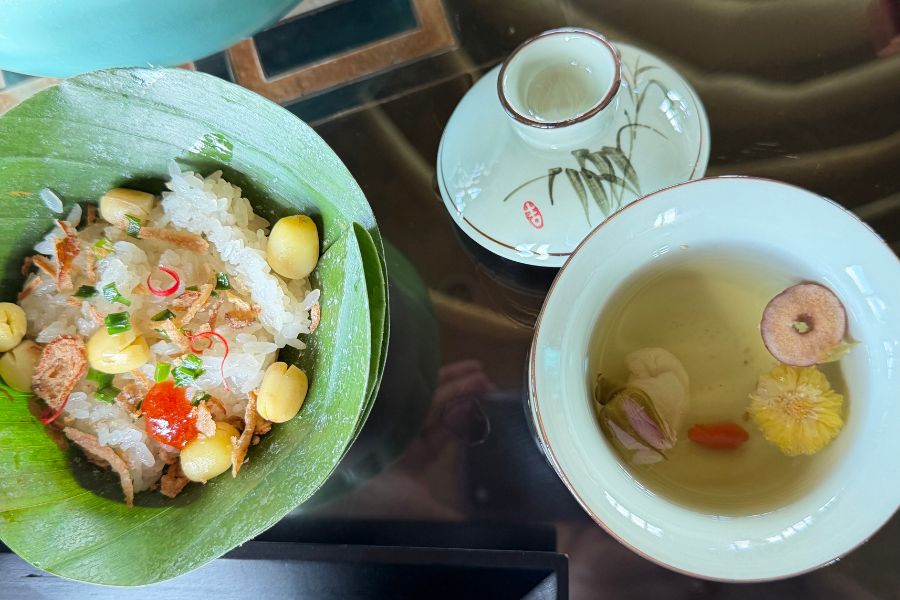
Hue’s cuisine reflects a strong connection between food, balance and health, shaped by Buddhist vegetarian cooking, royal culinary heritage and ideas drawn from traditional medicine. From plant-based dishes to carefully composed imperial-style meals, food here reflects a broader understanding of harmony, moderation and wellbeing.

Hue sticky rice and sweet porridge
wellness vietnam sandstone motif

Practical Travel Tips

Getting there: Phu Bai International Airport (HUI) is about 15 km (approximately 25–30 minutes by car) from central Hue, with regular domestic flights from Hanoi and Ho Chi Minh City. Taxis and private transfers are readily available at the airport. Hue is also connected by train and road to Danang, making it easy to combine the two destinations.
 
Best time to visit: Hue has a distinct dry and rainy season, with the most pleasant weather generally from February to April, when temperatures are comfortable and rainfall is relatively low. May to August is hotter and more humid, particularly in June and July. The rainy season typically runs from September into January, with the greatest risk of heavy rain and flooding from October to November.

Getting around: Central Hue is relatively compact, with many restaurants, shops, and riverside areas easily reached on foot. Cyclos (rickshaws) are a pleasant way to explore the city center, particularly given Hue’s relatively light traffic, and are best suited to shorter distances. Taxis, ride-hailing services, bicycles, and motorbikes are also convenient, while cars are useful for visiting the royal tombs, pagodas, villages, and other sights outside the center.


Related Programs

Well & Easy

Hue: Art of Mindful Living

Well & Easy

Explore

Destinations